
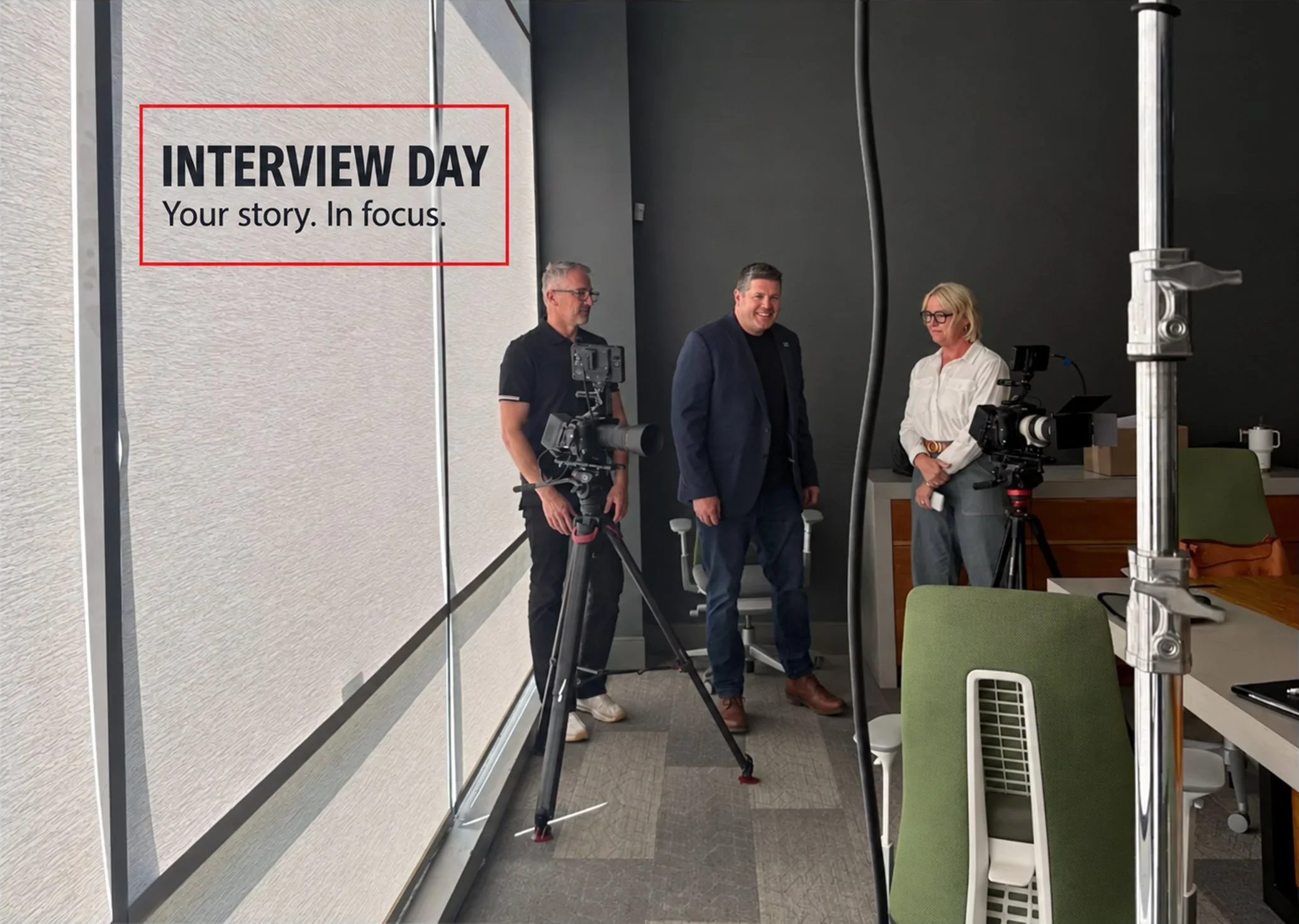
A successful commercial shoot starts before the camera comes out. Whether you need new website photography, a promotional video, or updated team portraits, a little preparation helps make sure the finished visuals serve a clear purpose.
For businesses in Reno and Lake Tahoe, that means thinking beyond a beautiful location. Your photography and video should show what you do, reflect your brand, and give potential customers the information they need to take the next step.
Here’s how to prepare for a shoot that supports your business.
Start with the business goal
Before deciding what to photograph or film, identify the main job your content needs to do.
Are you introducing a new service? Updating an outdated website? Helping prospective clients get to know your team? Marketing a commercial property?
Each goal calls for a different approach. A team-focused website may need approachable portraits and images of people at work. A service launch may benefit from a short video showing the process. A property listing may need wide views that explain the layout, alongside details that highlight the space’s distinguishing features.
Try finishing this sentence: “After seeing these photos or this video, we want our audience to understand ______.” That answer gives the project a useful starting point.
Decide where the content will appear
A website banner, a printed brochure, and a vertical social media video have different requirements. Discuss those uses before the shoot rather than trying to fit every finished asset into every format afterward.
For a website, you may need horizontal images with room for headlines or buttons. Social posts may call for vertical compositions and tighter framing. A presentation may need photographs that remain clear when displayed on a large screen.
If you plan to use video, consider where people will watch it and whether they are likely to have the sound on. That conversation can help determine whether the edit should include captions, on-screen text, or alternative versions.
Share your intended channels with your production team early, and agree on the formats and deliverables you actually need.
Build a focused shot list
A shot list keeps the project organized and makes your priorities clear. It does not need to be complicated. Start with the images or scenes your business cannot do without.
A commercial photography shoot might include an exterior view, team portraits, employees working, and details of your products or services. A brand video might include an interview, footage of your process, and scenes showing the environment where your work happens.
Separate essential shots from optional ideas. If time becomes limited or conditions change, the team can focus on the content that matters most.
Reference images can also help communicate your preferences. Explain what you like about them—such as the lighting, mood, or composition—rather than expecting an exact recreation.
Prepare your people and location
Small details can become noticeable in a photograph or on camera. Before the shoot, tidy work areas, check signage, and remove anything that should not appear in public-facing content.
Let employees know when they are needed, what to wear, and whether they will be photographed or interviewed. For team portraits, coordinated clothing can create consistency without requiring everyone to dress identically.
If someone will speak on camera, give them a few clear talking points. Focus on what they know and how they would explain it to a customer. A natural, understandable answer is usually more useful than language that sounds overly rehearsed.
For on-location projects, confirm access, identify any restrictions, and make sure someone is available to help with practical questions.
Leave room for local conditions
Reno and Lake Tahoe offer a range of settings for commercial photography and video. Choose a location because it fits your message, not simply because it looks impressive.
For outdoor work, discuss timing, lighting, weather, and a backup plan. For an active business location, think about customer traffic, background noise, and whether filming could interrupt normal operations.
If multiple locations are involved, allow time for travel and setup. A realistic schedule gives the team room to work without rushing the most important shots.
Confirm the details before shoot day
Before production begins, review the scope together. Confirm the schedule, the people involved, the priority shots, and the agreed photo and video deliverables.
Ask how review and revisions will work, when you can expect delivery, and what usage rights are included. Clarifying these details early helps everyone work toward the same result.
The goal is not to plan every creative decision in advance. It is to give the shoot enough direction that creativity can support your business needs.
Plan your next project with Lumina Media
Lumina Media provides professional photography and video services for businesses and individuals, including commercial photography, executive headshots, team portraits, promotional videos, and commercial real estate imagery. Based in Reno, we serve the greater Lake Tahoe region and clients throughout California and Nevada.
Whether you have a detailed brief or are still deciding what your business needs, start by sharing your goals and where you plan to use the content.
Contact Lumina Media to discuss your photography or video project.